Who It's Best For
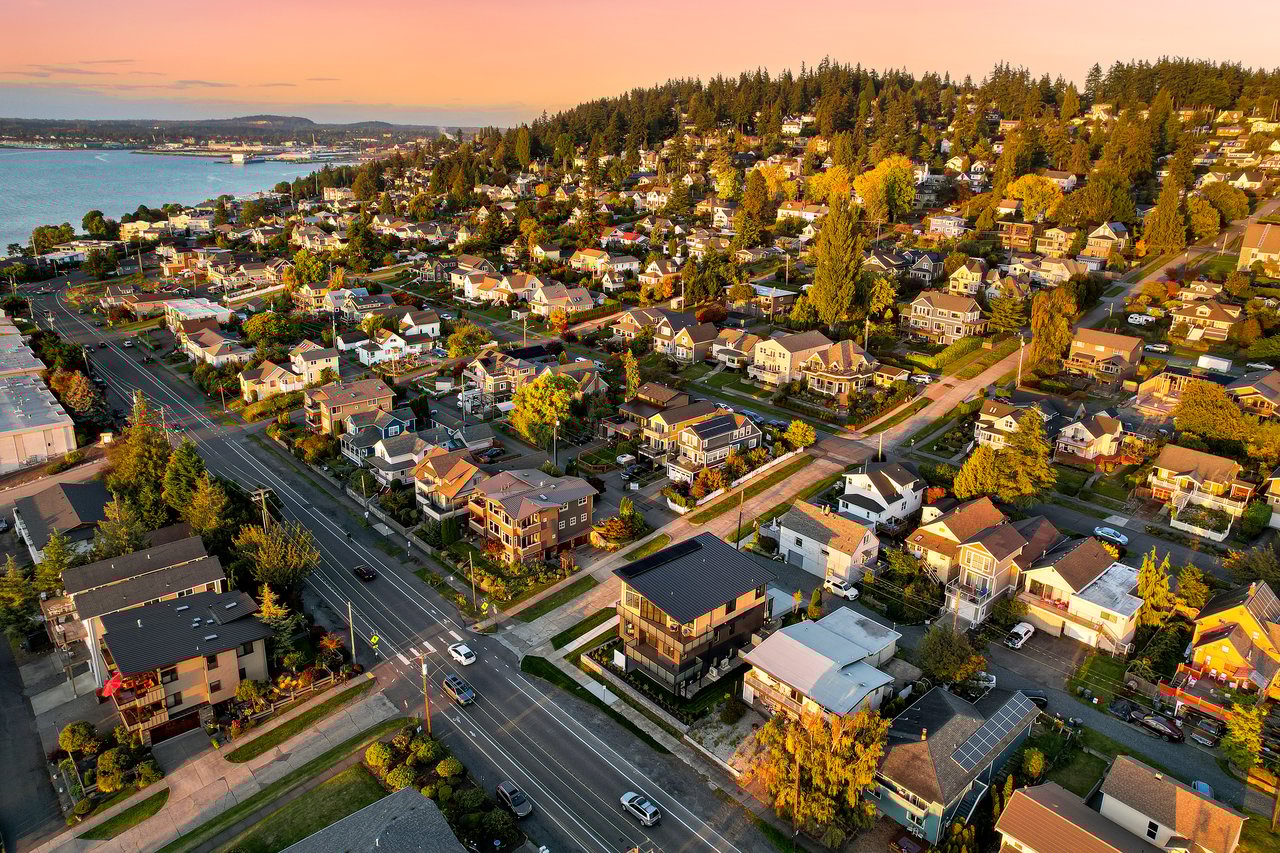
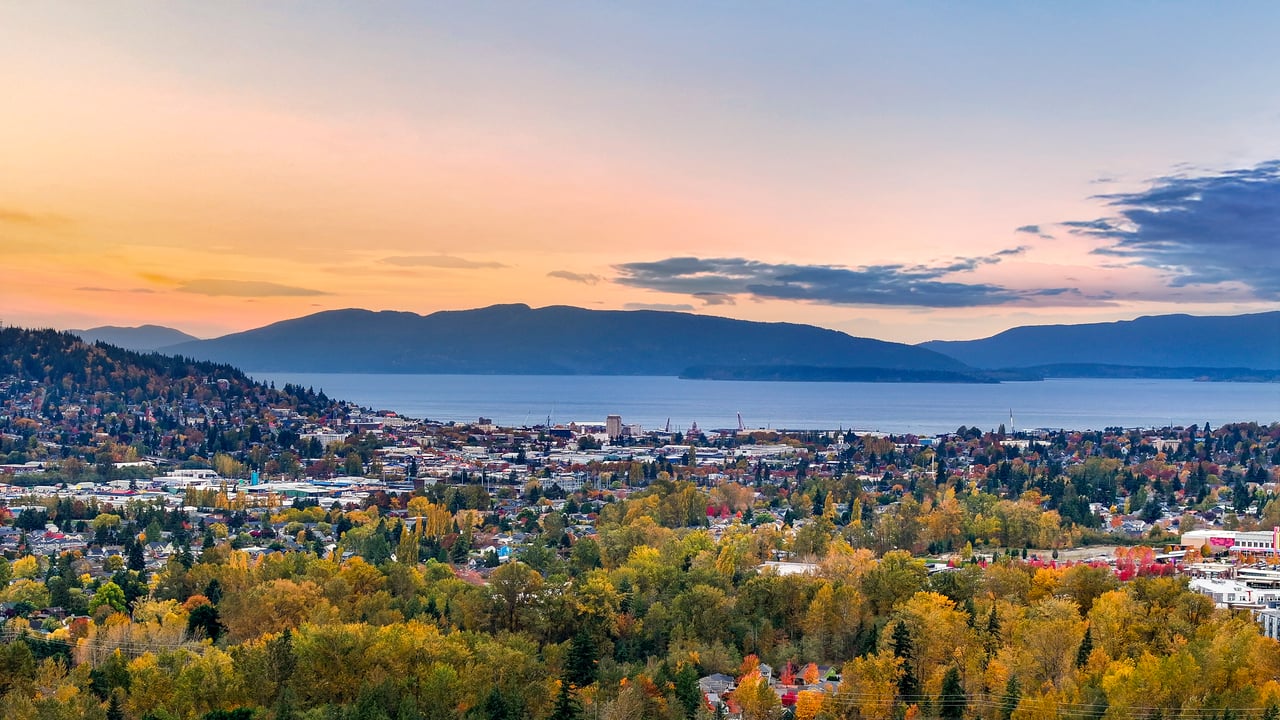
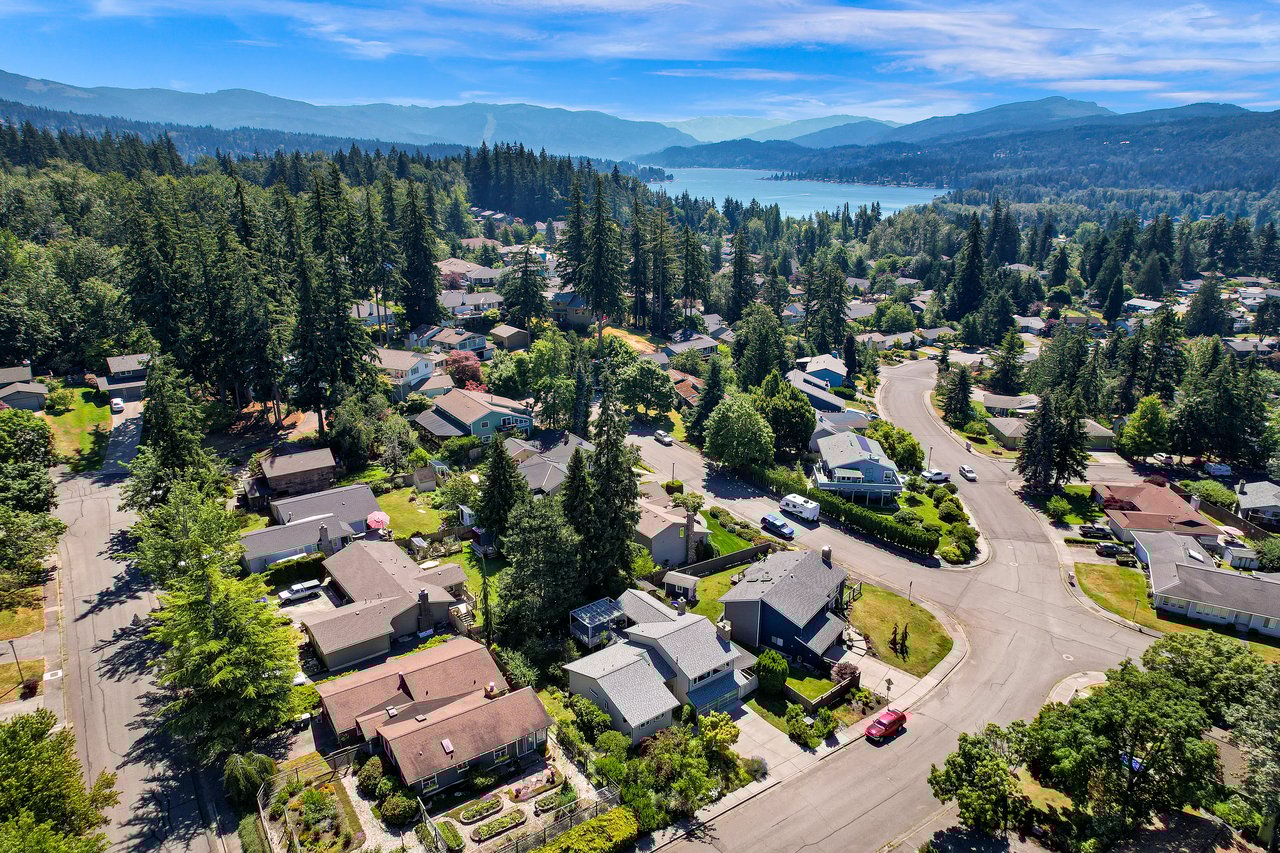
Sehome is one of those neighborhoods that draws an unusually wide range of people, and somehow holds them all together. WWU faculty and staff who want to walk to work. Young professionals who want the walkability and energy of a campus-adjacent neighborhood. Families drawn to Sehome Hill and the school quality. Retirees who appreciate a central location with easy access to arts and culture. What they all have in common is that they want to be somewhere that feels alive — and Sehome delivers that every day of the year.
The Real Estate Market
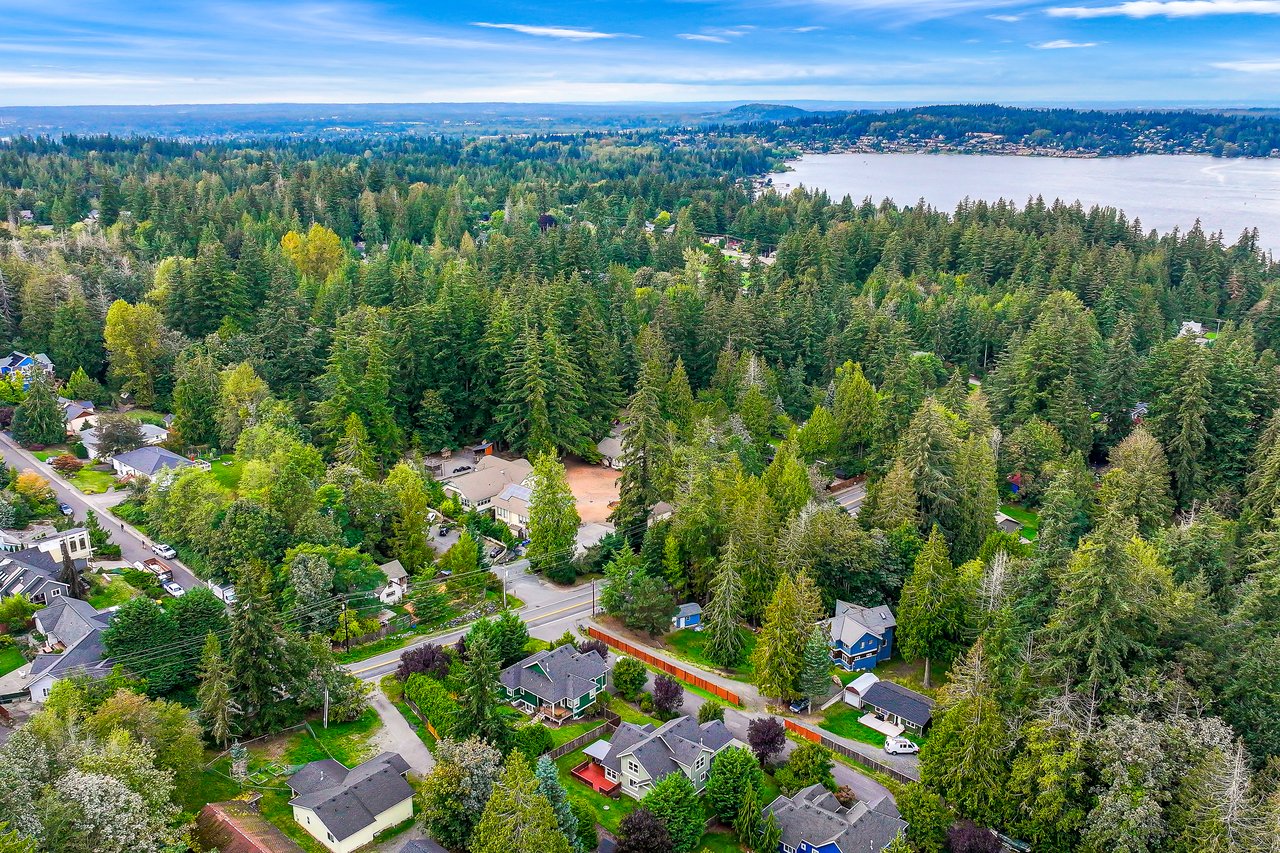
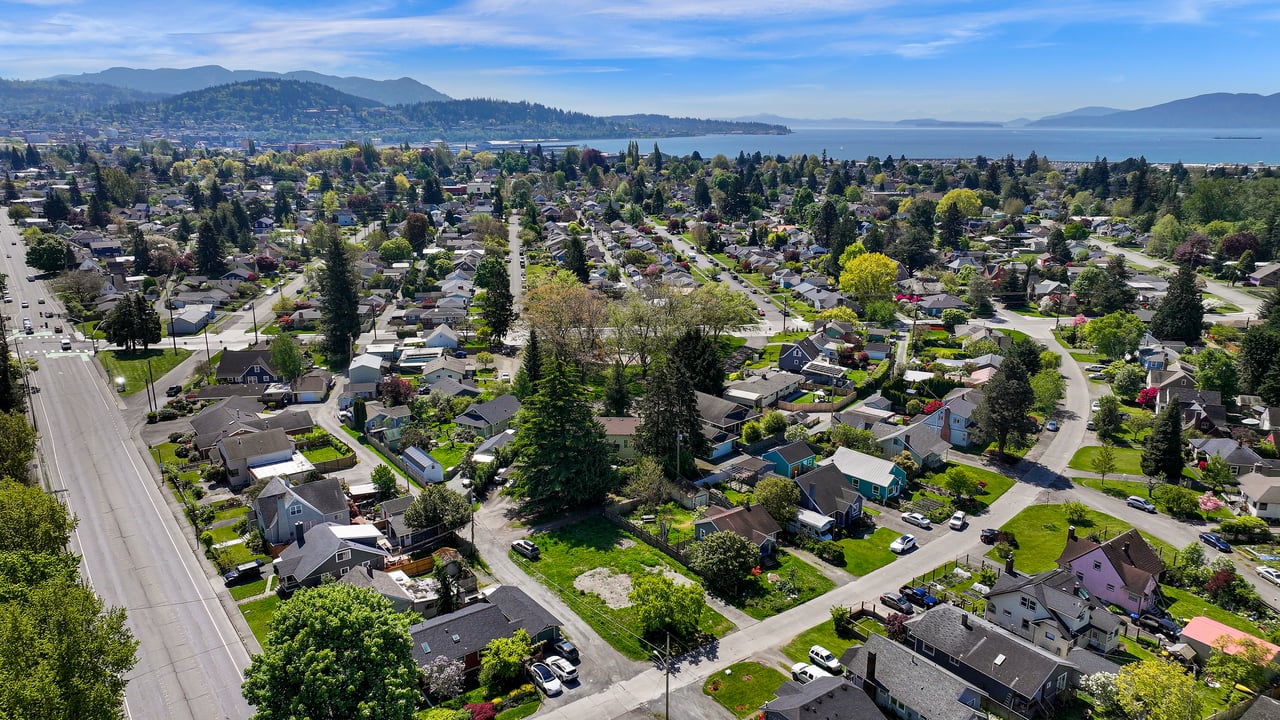
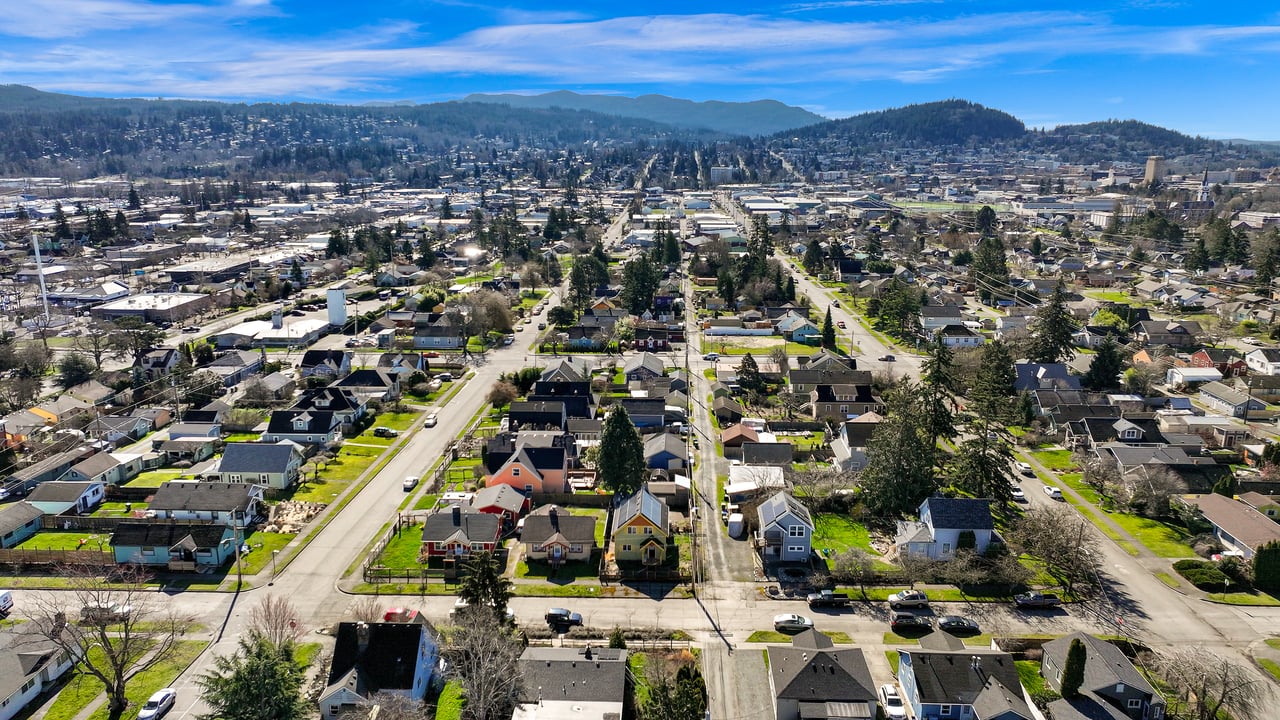
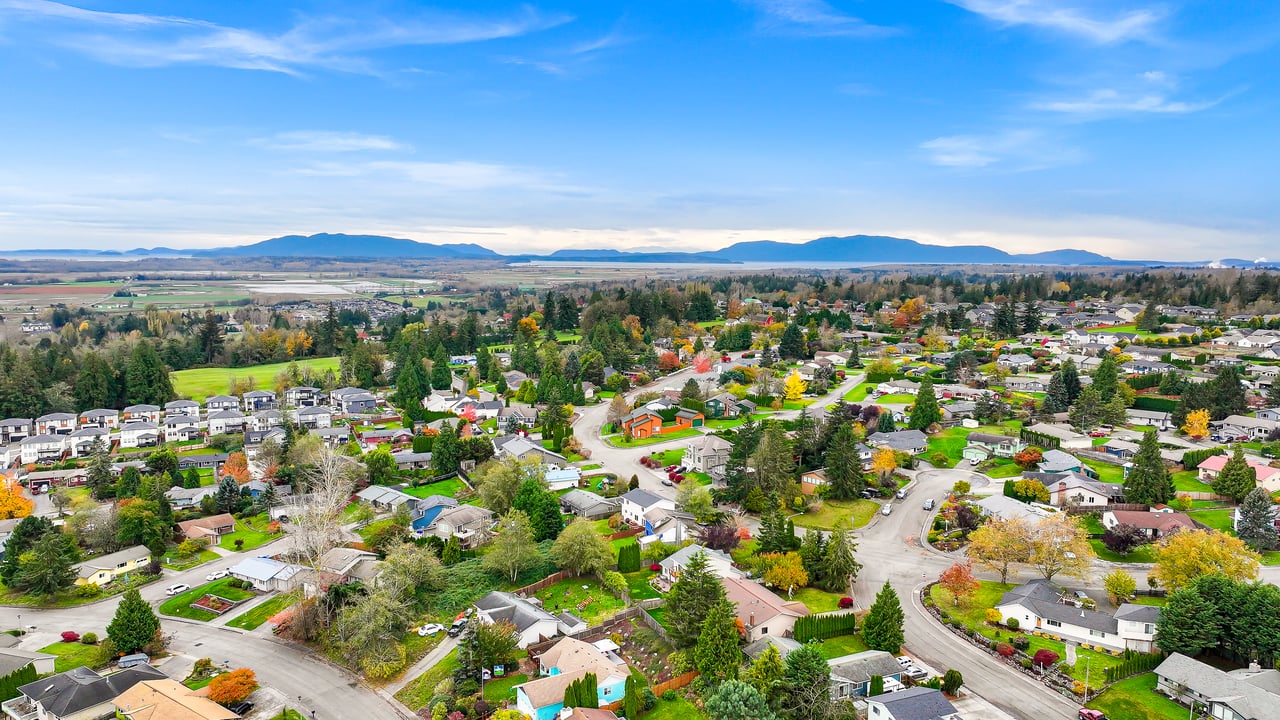
The housing stock here is older — single-family homes from the early and mid-20th century, a lot of them with real Craftsman bones and the period details that make them worth preserving. There's also a meaningful supply of multi-family housing, apartments, and condos, which keeps the neighborhood accessible at multiple price points. Single-family homes typically range from the low-$400Ks into the high-$600Ks. Condos give buyers a real entry point below $400K in some cases. The rental market is strong given WWU, which also makes Sehome interesting for small investors.
Nearby Amenities
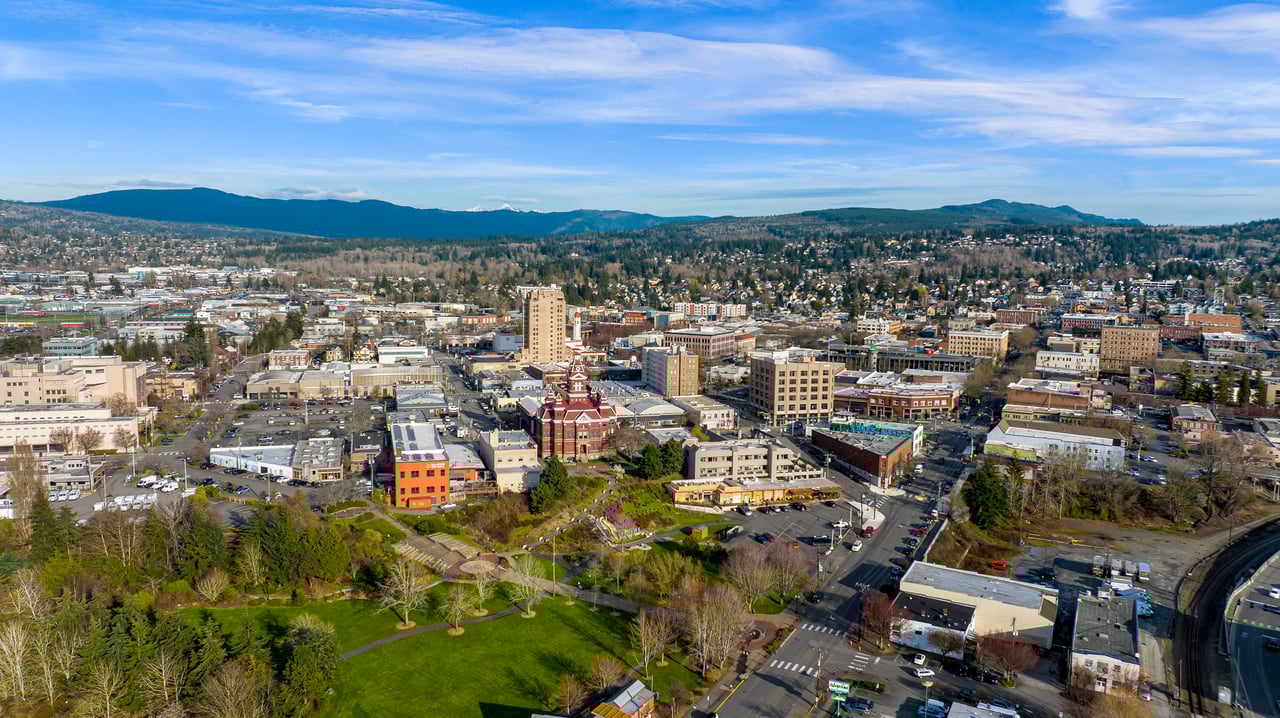
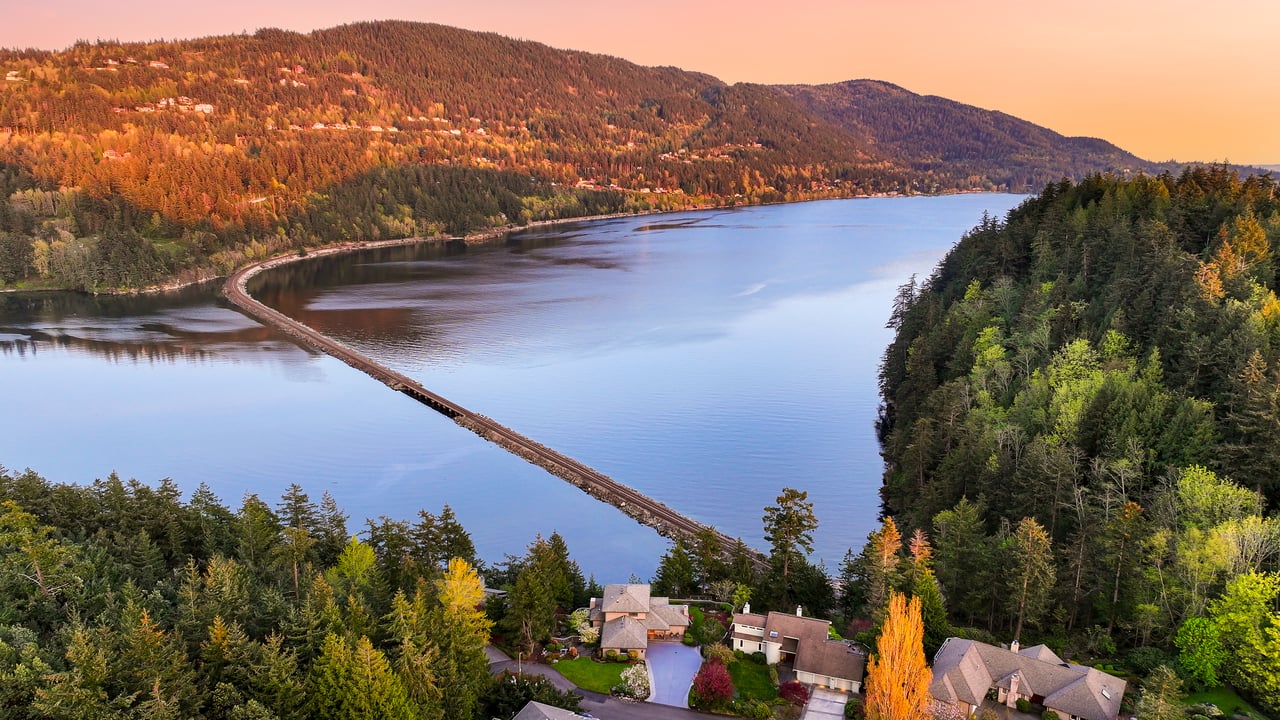
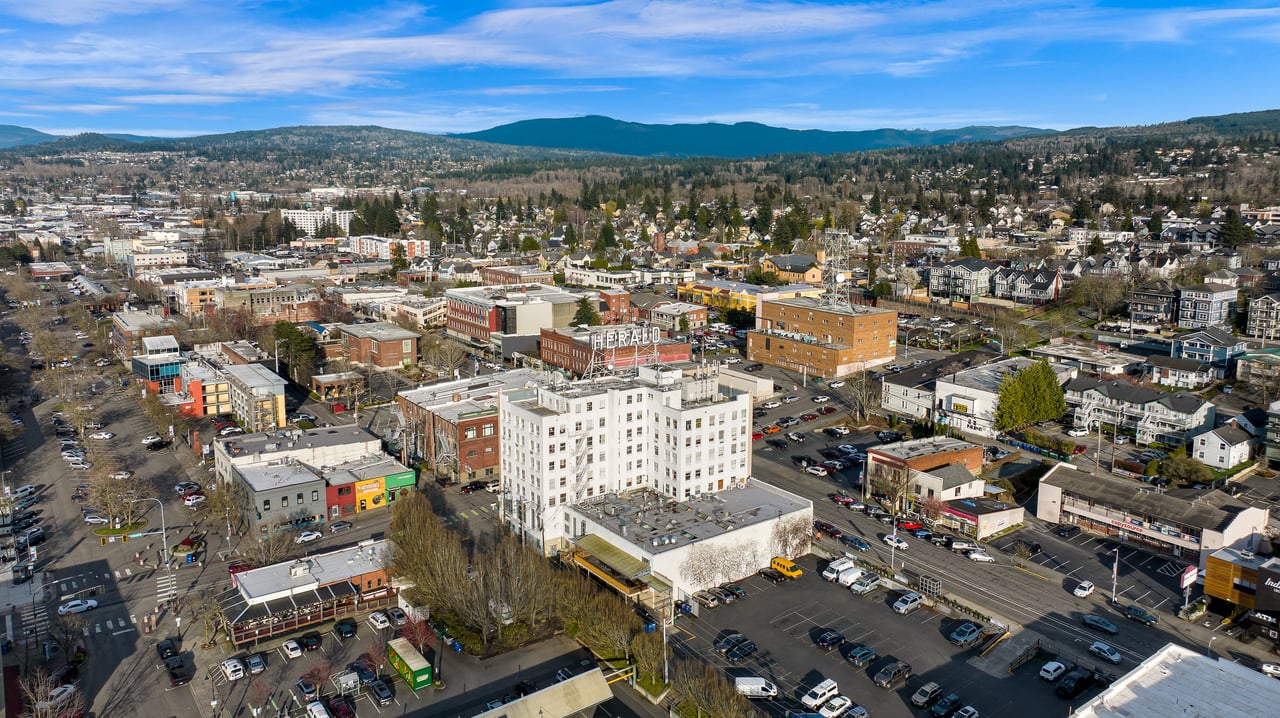
Sehome Hill Arboretum (165 acres, managed by WWU and the City of Bellingham) is the headline outdoor amenity. Laurel Park and Forest & Cedar Park fill out the neighborhood green space. Western Washington University is walking distance, with cultural events, the Performing Arts Center, and the full energy of an active campus. Sehome Village has Haggen grocery, REI, and various dining. Sehome High School is one of the most highly regarded public high schools in the state. Good transit and strong bike infrastructure throughout.
Sehome has 1,765 households, with an average household size of 2. Data provided by the U.S. Census Bureau. Here’s what the people living in Sehome do for work — and how long it takes them to get there. Data provided by the U.S. Census Bureau. 4,712 people call Sehome home. The population density is 14,665 and the largest age group is Data provided by the U.S. Census Bureau.
Total Population
Population Density Population Density This is the number of people per square mile in a neighborhood.
Median Age
Men vs Women
Population by Age Group
0-9 Years
10-17 Years
18-24 Years
25-64 Years
65-74 Years
75+ Years
Education Level
Total Households
Average Household Size
Average individual Income
Households with Children
With Children:
Without Children:
Marital Status
Blue vs White Collar Workers
Blue Collar:
White Collar: