Who It's Best For
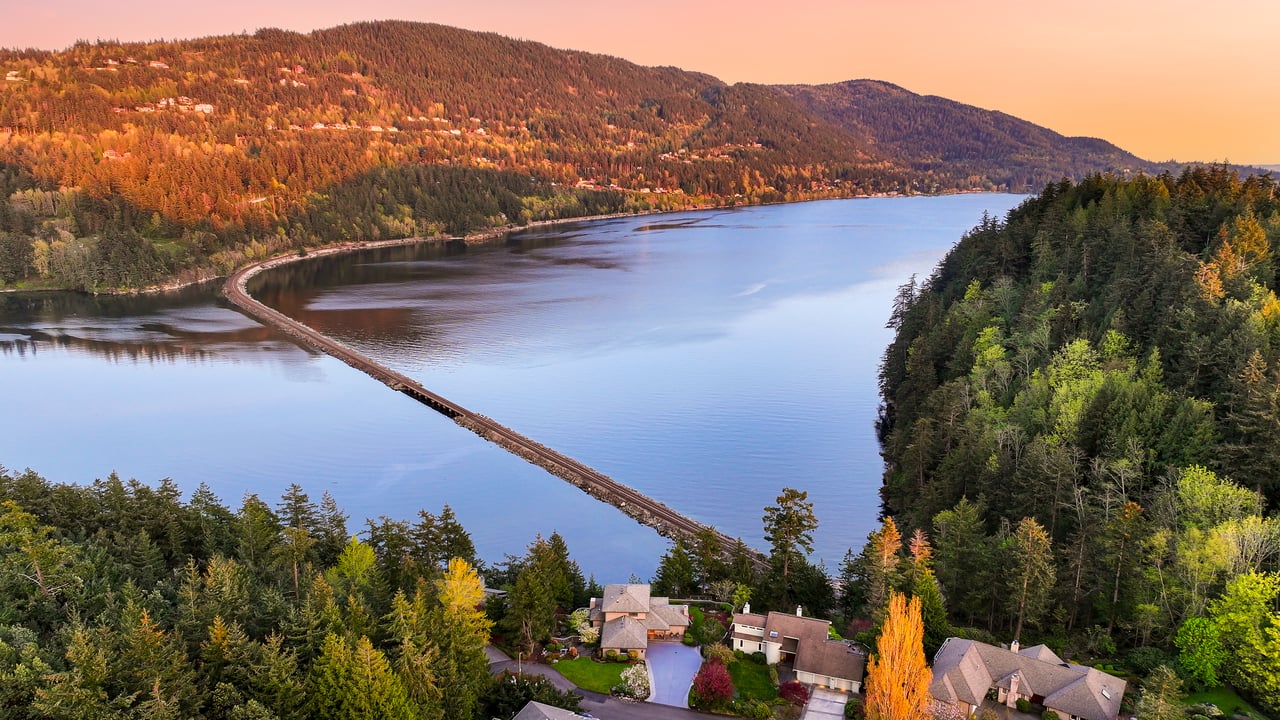
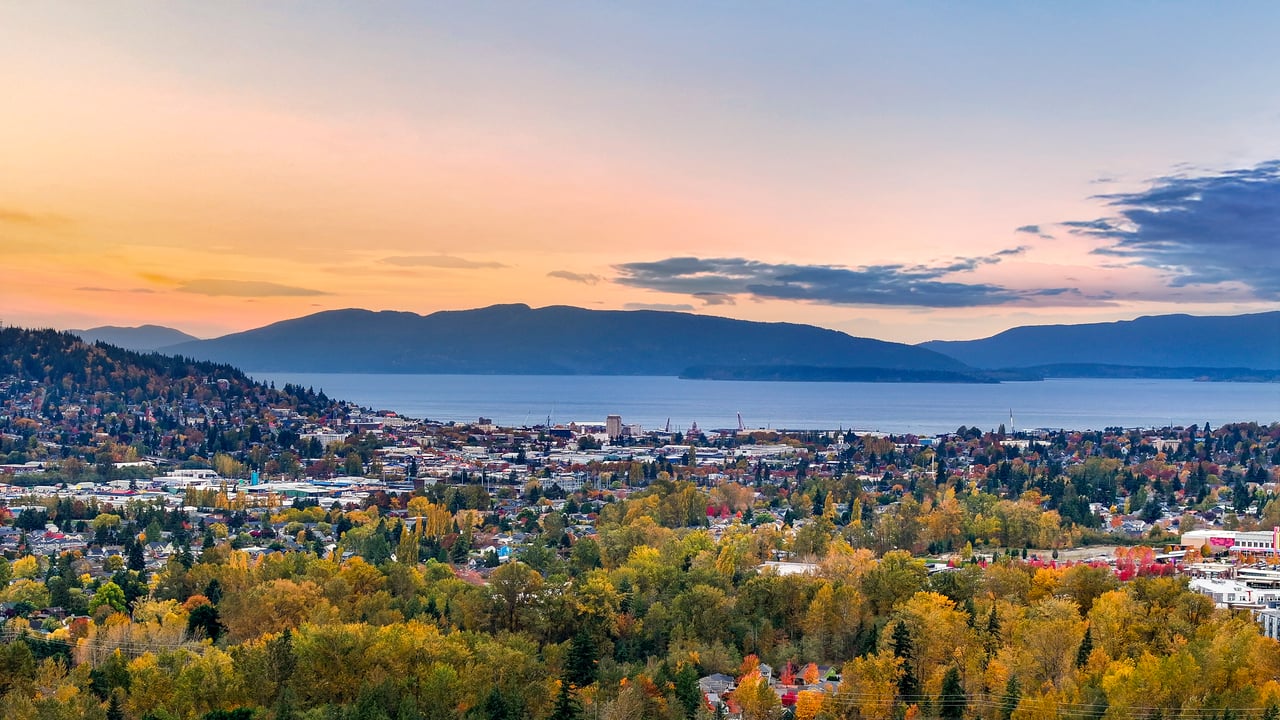
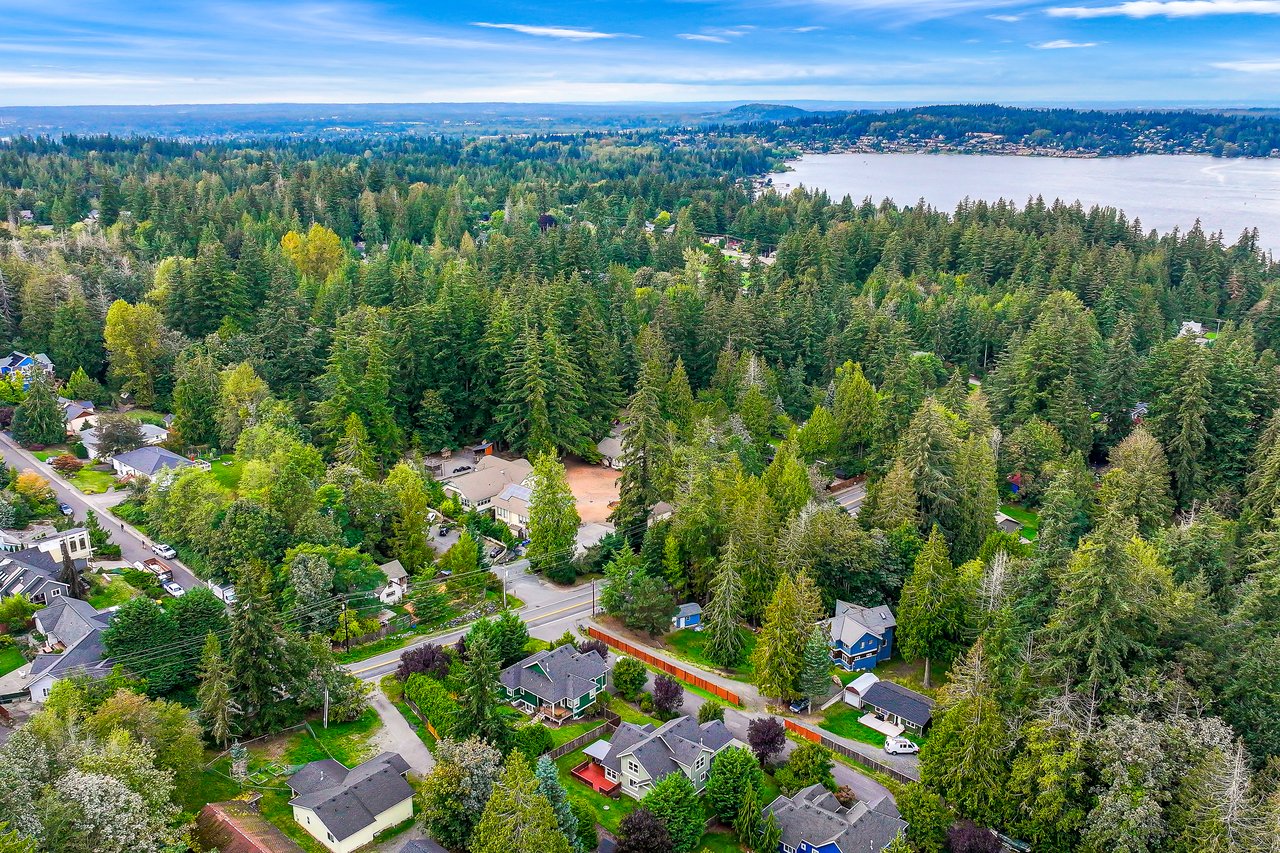
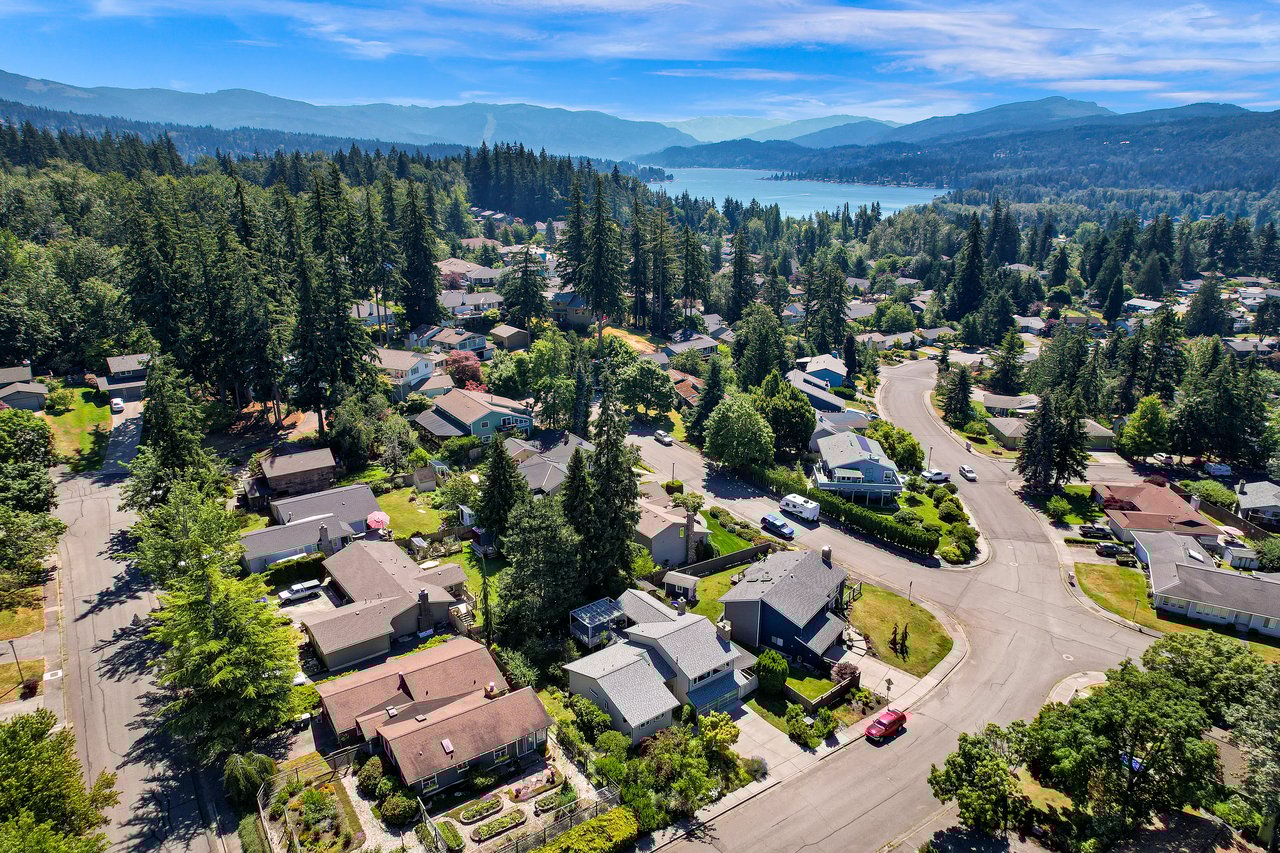
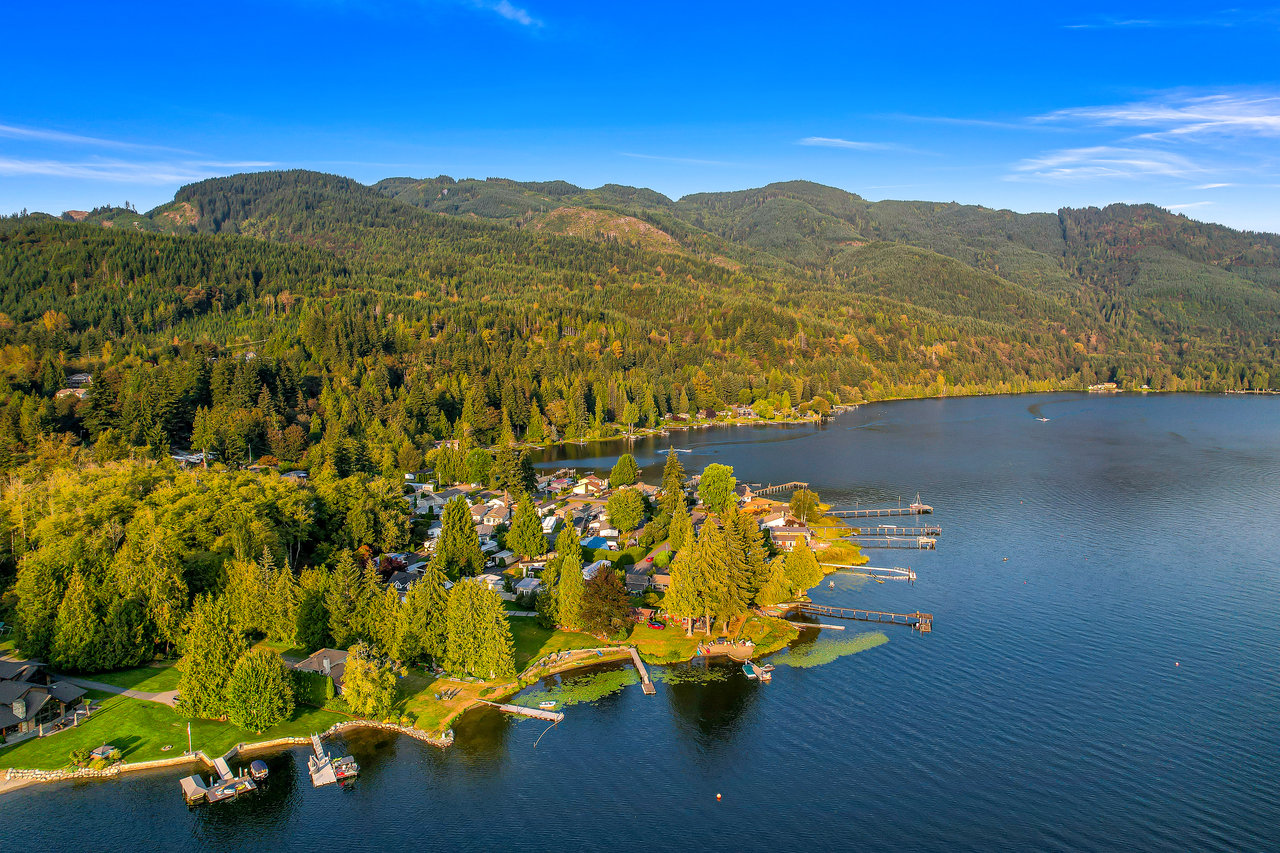
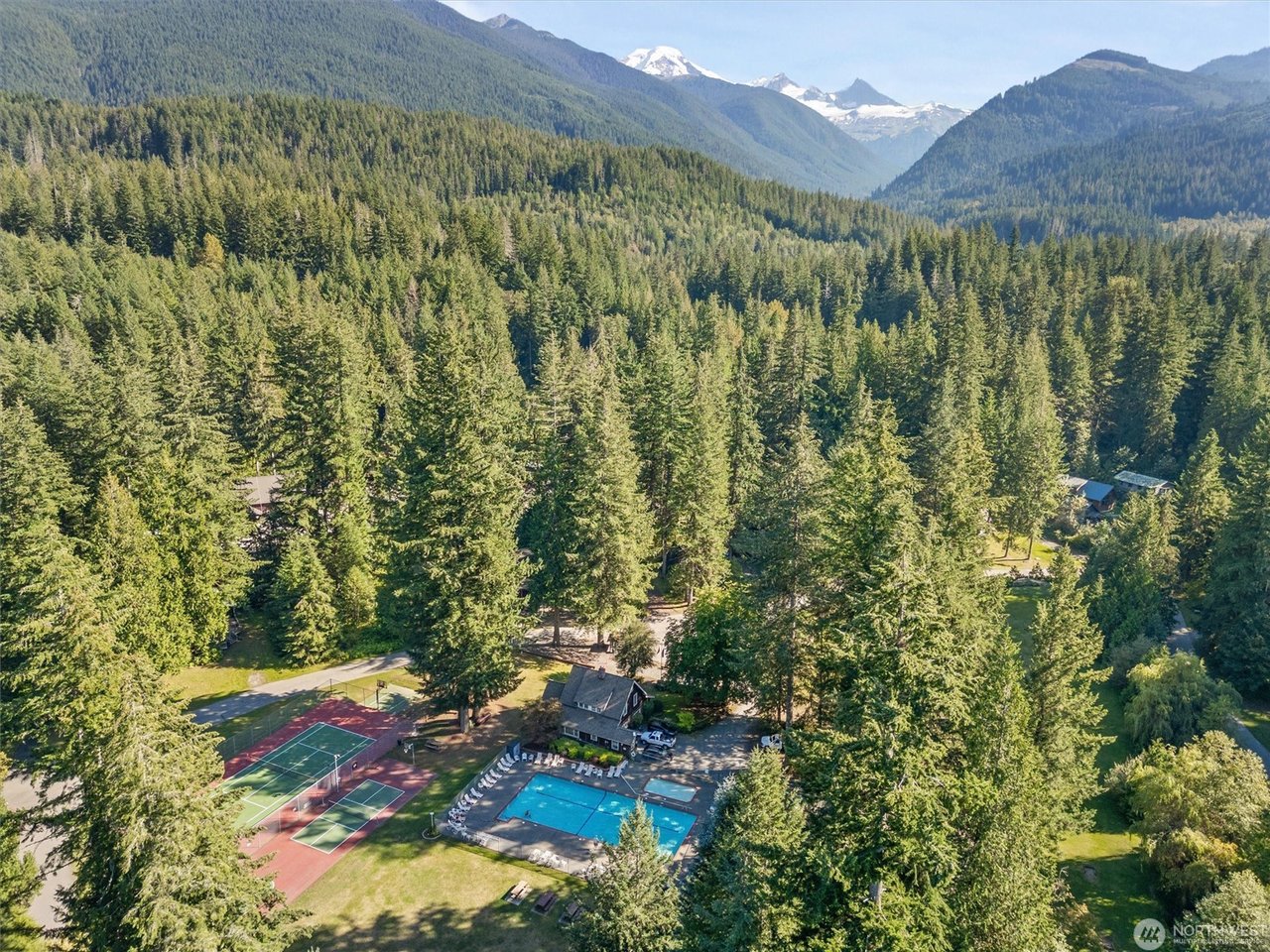
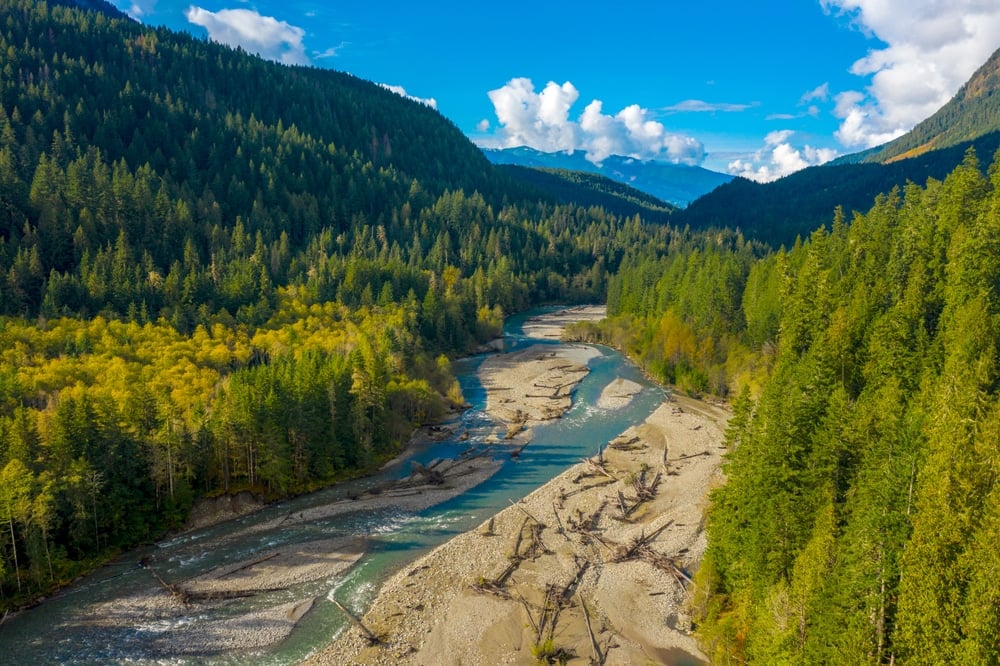
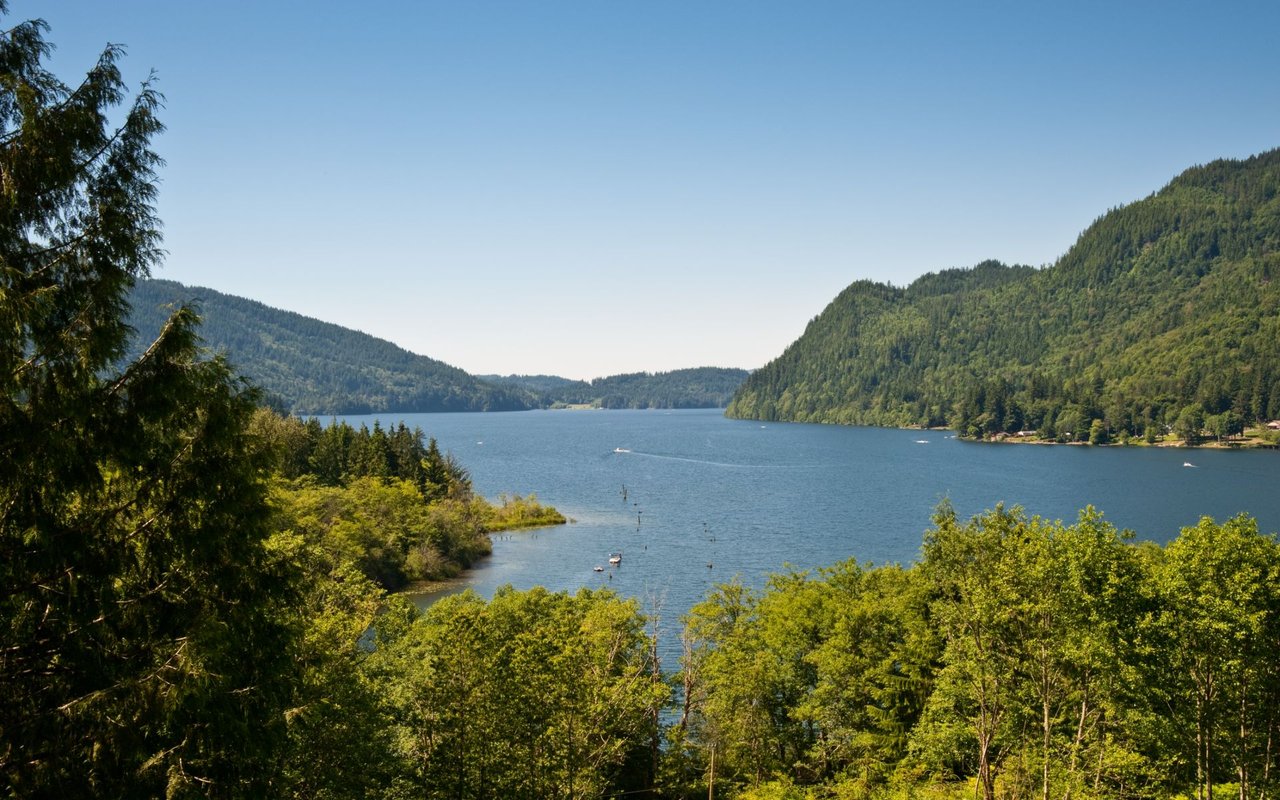
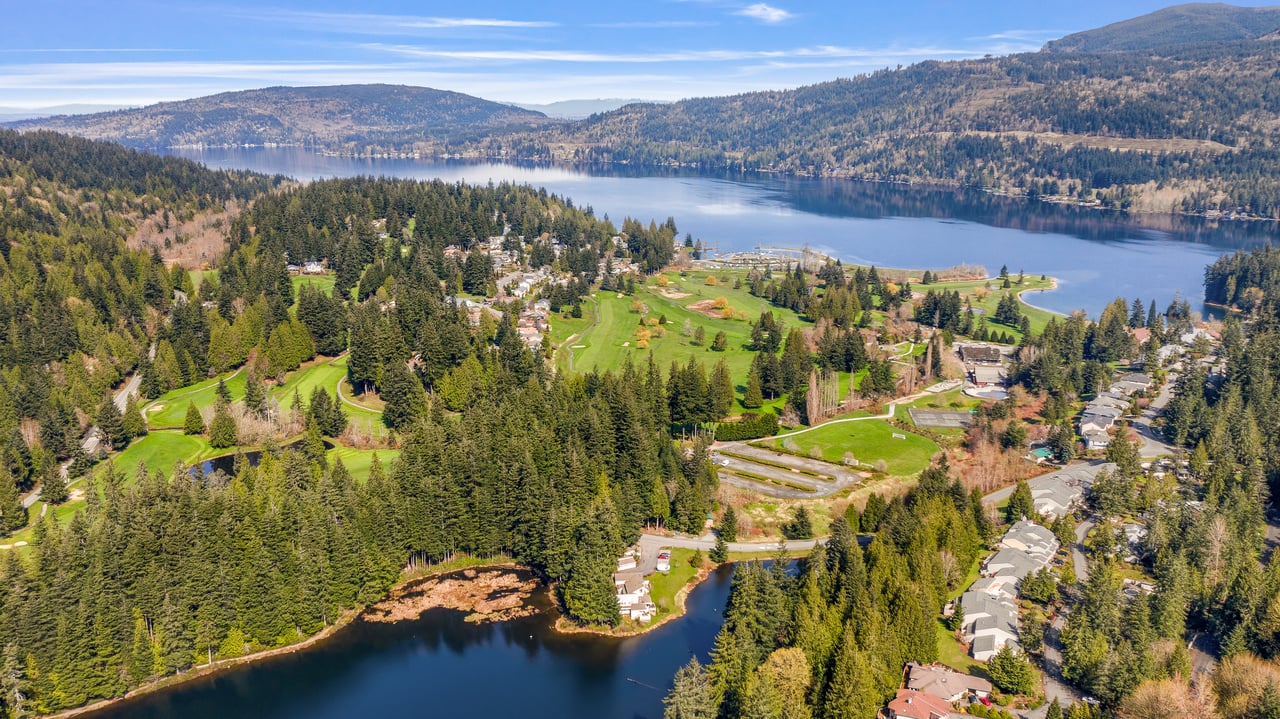
Whatcom Falls is made for families and outdoor-focused buyers who want to step out their door and into the woods. Not metaphorically — literally into a 241-acre park with four waterfalls and miles of forested trails. It also draws remote workers and retirees who want a low-traffic, genuinely green setting without sacrificing access to the rest of the city. People who've toured other Bellingham neighborhoods and felt like none of them quite scratched the outdoor itch often find their answer here.
The Real Estate Market
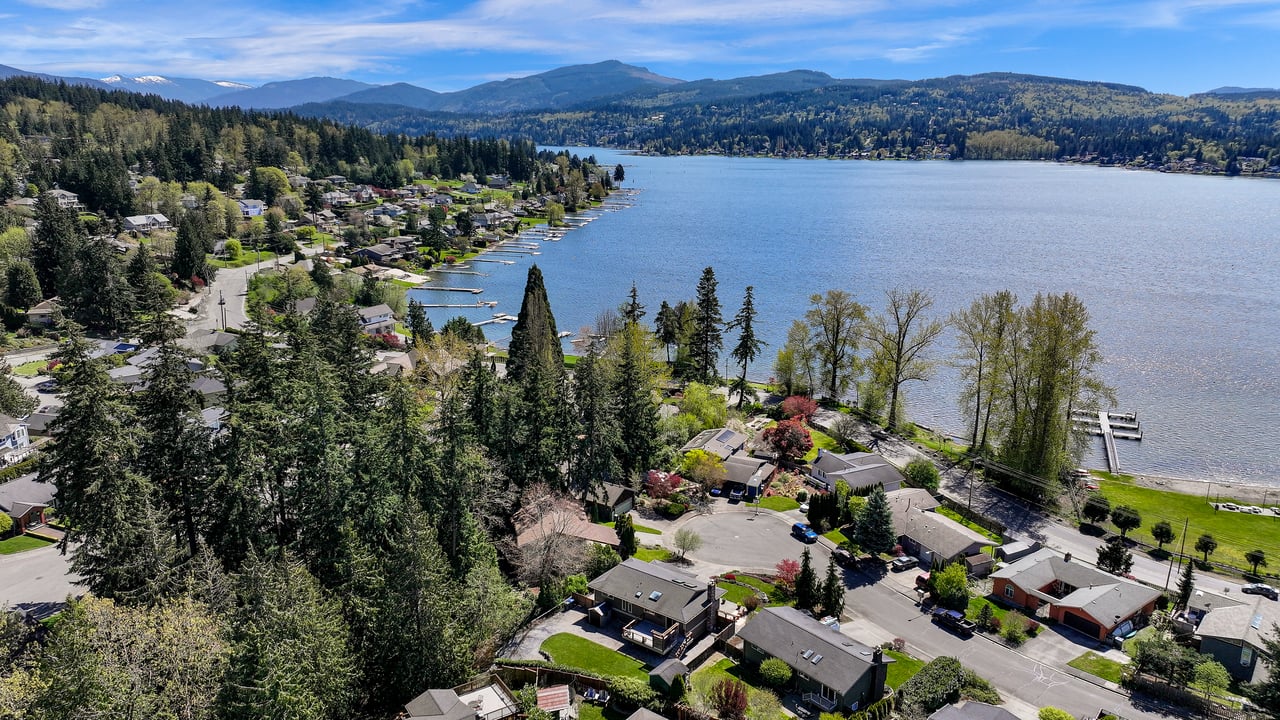
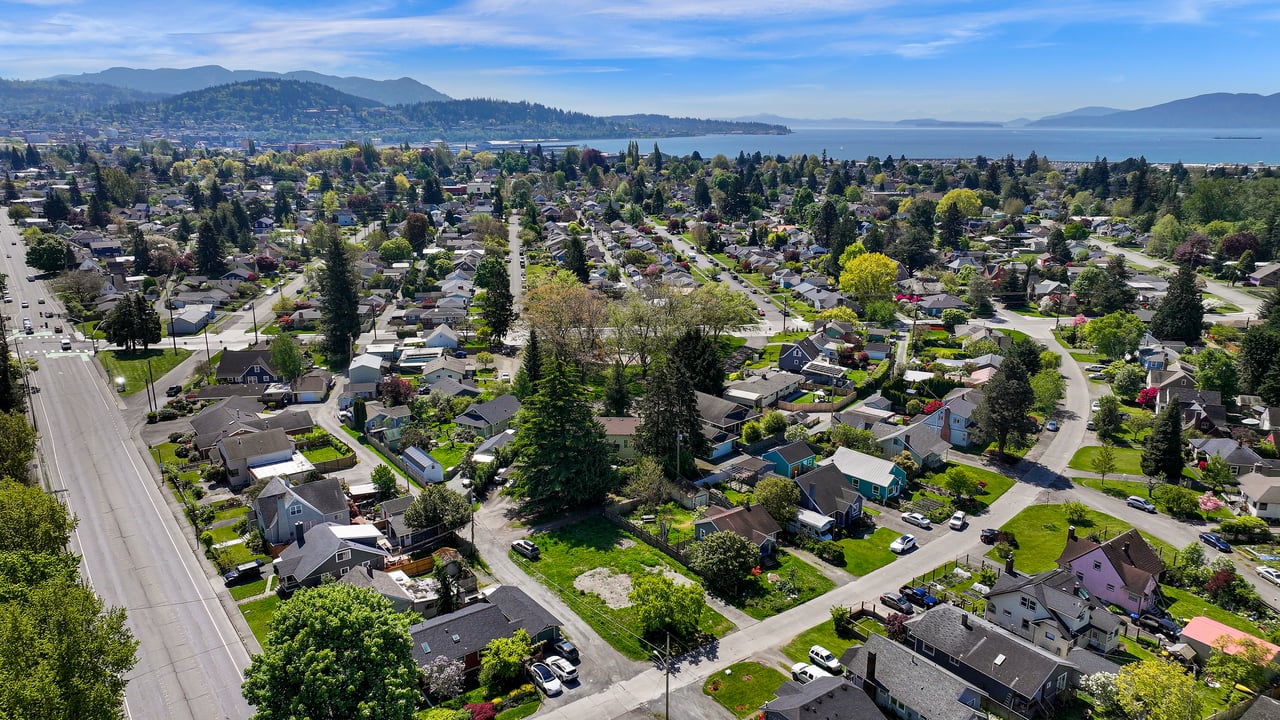
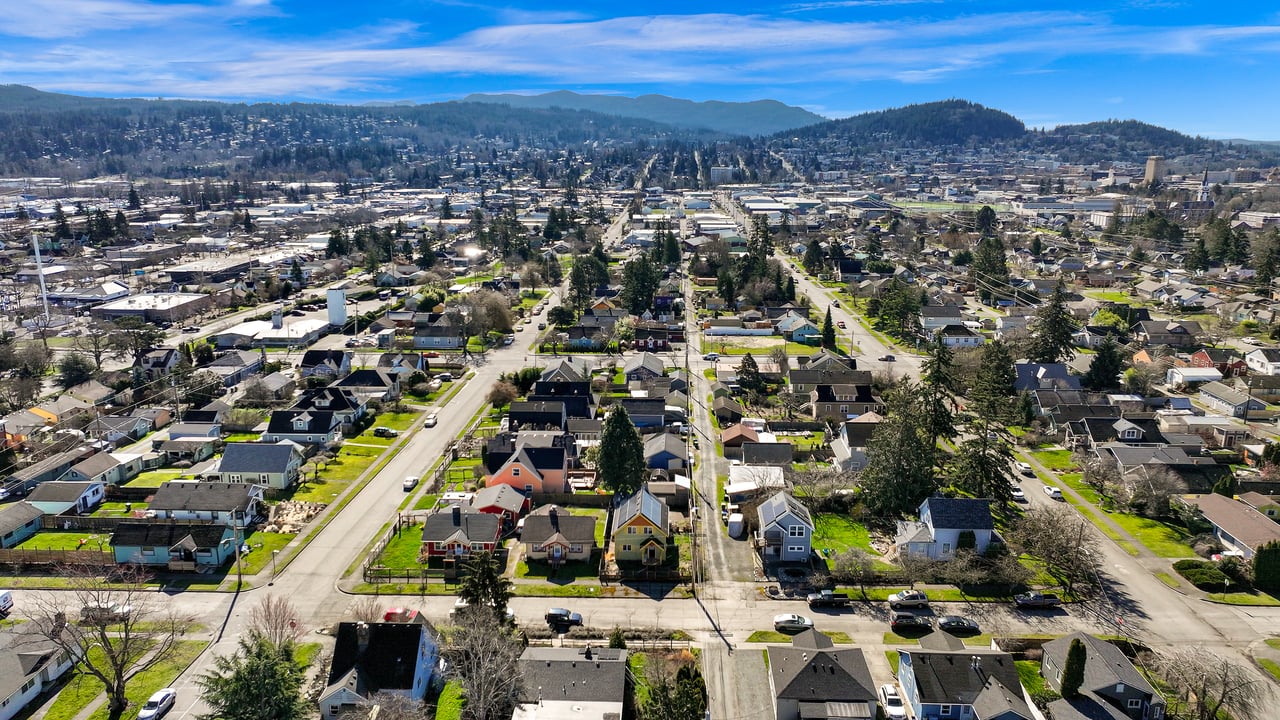
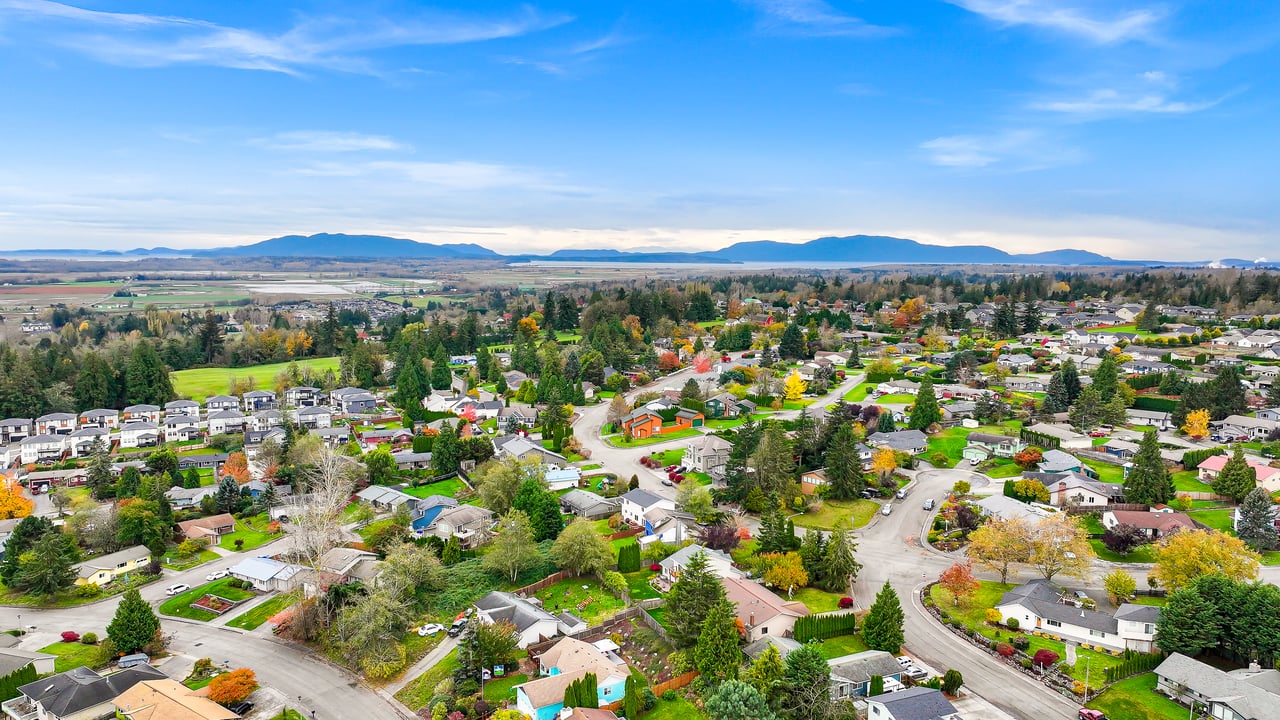
The housing mix leans toward older ranch-style homes from the '60s through '80s, alongside a growing number of newer Craftsman-influenced builds as buyers discover the neighborhood's appeal and values respond accordingly. Prices are generally in the mid-range for Bellingham — $500K to $800K — with the park adjacency and the neighborhood's low-density character doing a lot to support values. Density is kept deliberately low at roughly four units per acre, and undeveloped land on the southern and eastern edges gives the neighborhood room to breathe.
Nearby Amenities
Whatcom Falls Park is the defining amenity — 241 acres of forested trails, four waterfalls, the Whatcom Creek salmon hatchery, and year-round outdoor recreation for all skill levels. A small retail node along Electric Avenue for daily convenience. Sehome High School, highly regarded statewide. Lakeway Drive connects quickly to Barkley Village shopping, dining, and medical facilities. The Interurban Trail and broader Bellingham trail network are accessible from the park.
Whatcom Falls has 1,031 households, with an average household size of 3. Data provided by the U.S. Census Bureau. Here’s what the people living in Whatcom Falls do for work — and how long it takes them to get there. Data provided by the U.S. Census Bureau. 2,632 people call Whatcom Falls home. The population density is 5,436 and the largest age group is Data provided by the U.S. Census Bureau.
Total Population
Population Density Population Density This is the number of people per square mile in a neighborhood.
Median Age
Men vs Women
Population by Age Group
0-9 Years
10-17 Years
18-24 Years
25-64 Years
65-74 Years
75+ Years
Education Level
Total Households
Average Household Size
Average individual Income
Households with Children
With Children:
Without Children:
Marital Status
Blue vs White Collar Workers
Blue Collar:
White Collar: